


WHY IS THE WEIGHT OF A CHILD'S BIKE SO IMPORTANT?
Try to imagine. An adult cyclist who weighs 80 kilograms rides a 40 kilogram bike. Sounds absurd, doesn't it? So why did we consider it normal for kids' bikes for so many years?
A child weighing around 18 kilograms often rides a bike weighing 9 or 10 kilograms. That's half his own weight. For a small body that's still developing, that's a huge load. The result of such a ride is often not the joy of movement, but frustration.
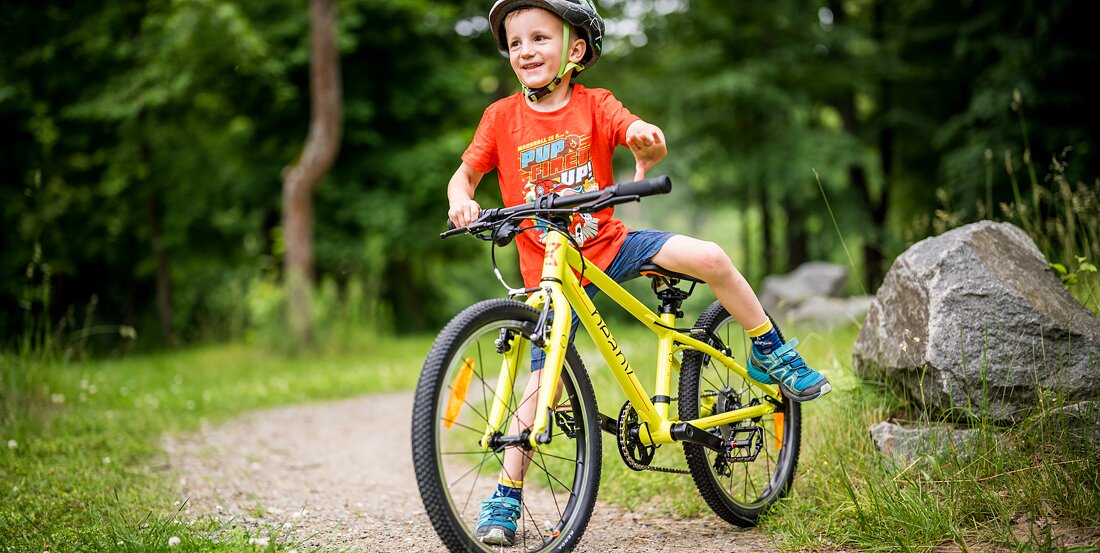
And this is where the Beany philosophy originated. A smaller version of an adult bike is not enough for children. They need a bike designed for them. With their strength, proportions, coordination and natural movement in mind. And keeping the weight as low as possible plays a vital role in this.
A LIGHTWEIGHT BIKE MEANS MORE SAFETY AND SECURITY
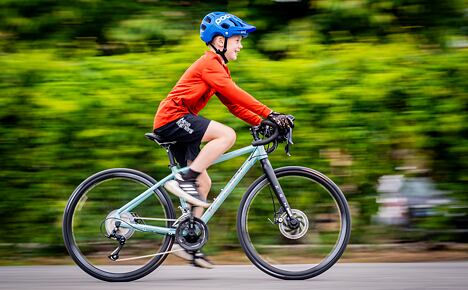
It may sound like a detail, but a few extra kilos can make a huge difference. A lightweight bike is much easier for children to handle. It turns better, reacts faster and the child has more control over every movement.
When a little biker doesn't have to struggle with a heavy bike, they can concentrate much better on the ride itself. He has more stability, quicker reactions and more confidence. And confidence is extremely important when learning to ride a bike.
On the other hand, a heavy bike will tire a child very quickly. With fatigue comes insecurity, poorer coordination and a greater risk of falls.
WHEN A CHILD EXPERIENCES THE JOY OF DRIVING, HE WANTS TO KEEP ON DRIVING
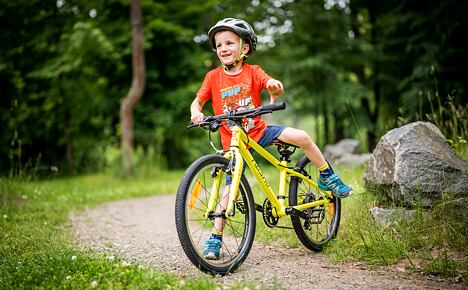
Cycling shouldn't be a chore. It should be about the joy of movement, adventure and time spent outdoors. A child on a lightweight bike will travel a longer route, tackle a hill that they would otherwise push, and gain a sense of confidence much more quickly. And it is positive experiences that determine the relationship to sport in the future.
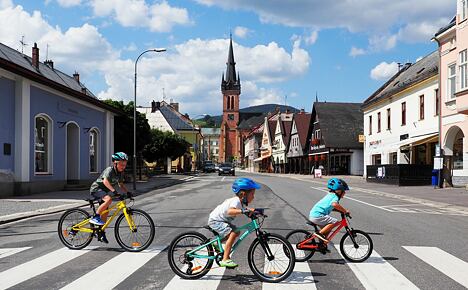
In addition, a lightweight bike also promotes independence. Children can carry it over the curb, pull it out of the garage or park it themselves. It may be a small thing, but it's these small moments that build their confidence and relationship with the bike.
And frankly, parents feel the difference too. Anyone who's ever carried a child's bike up a flight of stairs or given a budding cyclist a ride knows that every extra pound really makes a difference.
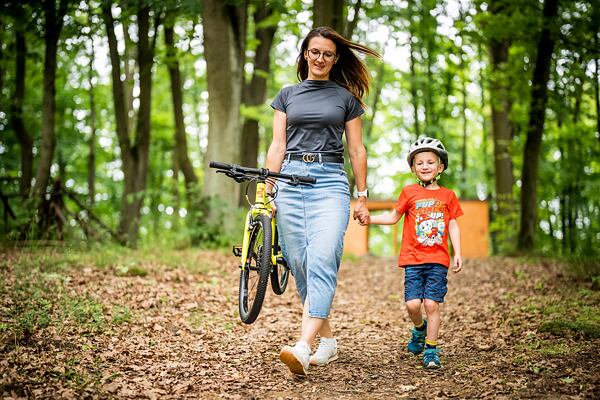
IN BEANY WE FIGHT FOR EVERY GRAM
Low weight does not arise by chance. Behind every round of Beany there are years of development, testing and fine-tuning of details.
At Beany, we have long been dedicated not only to low weight, but also to the correct ergonomics of children's movement. We work with pediatric physiotherapists to develop the bikes and fine-tune every detail so that the bike respects the needs of a child's body.
If the bike is too heavy or has poor geometry, the child will begin to compensate for the movement. He twists, overloads his back and selected muscle groups, pedals badly or develops incorrect movement habits. These can then carry over into other sports and everyday life.
That's why at Beany we pay attention to every detail and develop our own components directly tailored to the child. We don't shrink adult bikes. We build bikes really for kids.
The result is a natural and healthy seating position, easier handling and much more comfort and safety when riding.
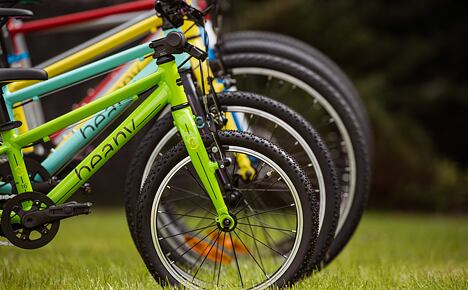
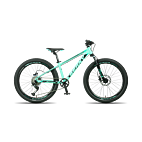
Our Beany ZERO models are among the lightest kids' bikes on the market.
For example:
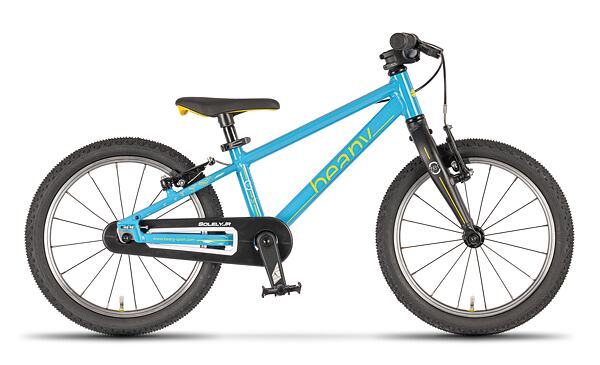
BEANY ZERO 16
Weighs just 5.3 kg
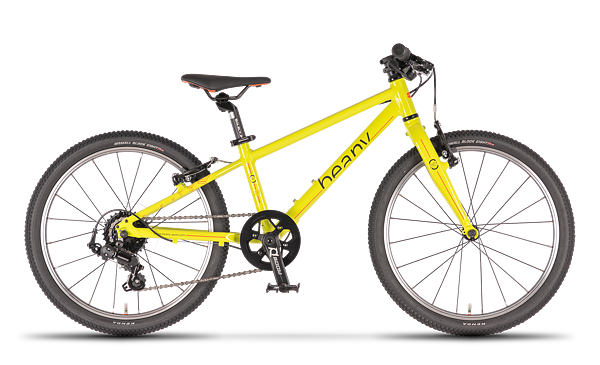
BEANY ZERO 20
Weight only 6.8 kg
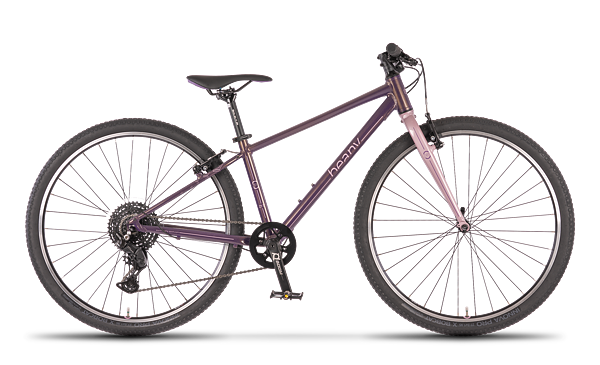
JUNIOR MODEL ZERO 27.5
Its weight is only 9.1 kg
That's often up to half the weight of regular kids' bikes available in hobby shops.
A LIGHTWEIGHT BIKE IS NOT A LUXURY. IT'S THE BASIS OF A GOOD EXPERIENCE
At Beany, we believe that kids deserve the same quality equipment as adult athletes. And we know that it's often the first experiences that determine whether a child really loves sport and movement.
The right lightweight bike can be the start of a love of exercise that lasts a lifetime.